How Real-Time Dealer Interactions Complement Event-Based Predictions in Smartphone-Driven Reward Systems
Sam Krause · Sep 8, 2026
How Real-Time Dealer Interactions Complement Event-Based Predictions in Smartphone-Driven Reward Systems
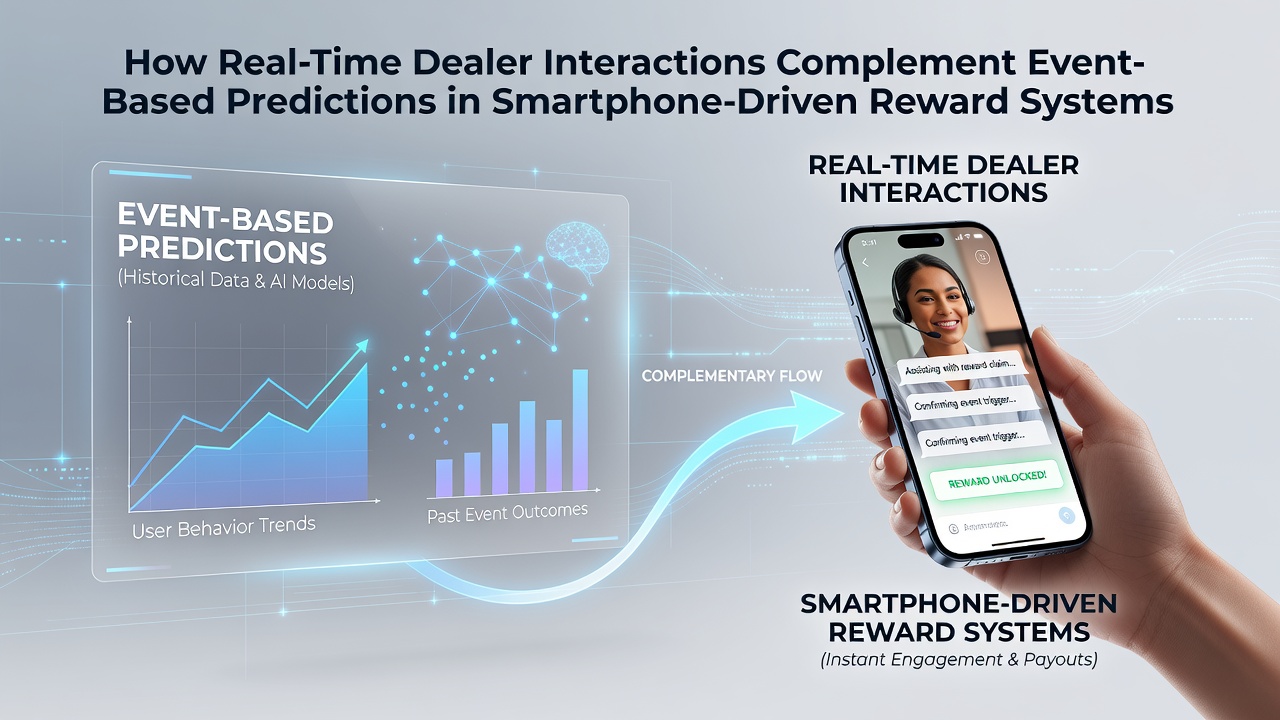
Real-time dealer interactions in smartphone applications provide direct data streams that refine event-based predictions within reward frameworks, and this integration occurs through continuous input from live sessions that adjust algorithmic outputs on the fly. Observers note that these systems capture player decisions and game outcomes in milliseconds, which then feed into predictive models designed to trigger tiered rewards at precise moments during play.
Core Mechanisms Behind the Integration
Event-based predictions rely on predefined triggers such as completed game rounds or milestone achievements, yet real-time dealer interactions add layers of variability that static models alone cannot replicate. Data from live dealer platforms shows that facial expressions, verbal cues, and pacing adjustments by dealers generate supplementary variables, and these elements allow prediction engines to recalibrate reward probabilities without requiring full system restarts. Researchers have documented cases where smartphone apps synchronize dealer feeds with backend analytics, resulting in reward distributions that align more closely with individual session patterns.
According to reports from the New Jersey Division of Gaming Enforcement, live dealer modules processed over 1.2 million interactions per month in early 2026, and this volume supports the calibration of prediction tools used in reward allocation. The process works because dealers operate under regulated conditions that ensure consistent data quality, while smartphone sensors capture user responses simultaneously.
Technical Architecture Supporting These Systems
Smartphone-driven reward platforms employ API connections between dealer interfaces and prediction servers, and these links transmit structured data packets that include timestamps, outcome sequences, and engagement metrics. Experts have observed that machine learning layers within the architecture process dealer inputs to forecast optimal reward moments, such as bonus unlocks or loyalty point multipliers. In practice, this means an event like a completed hand in a card game can trigger an immediate prediction update that factors in the dealer's real-time adjustments to table pace.
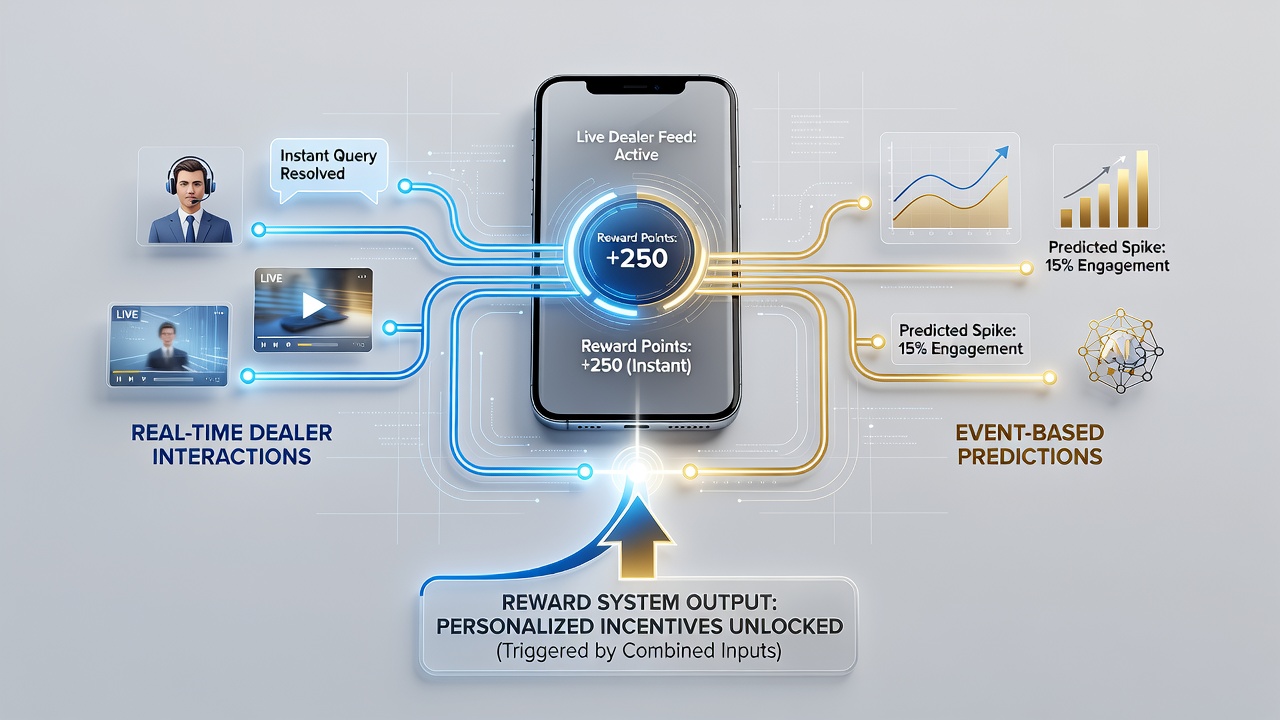
Hardware capabilities on modern devices further enable this complementarity through low-latency video streaming and on-device processing, which together reduce delays between dealer actions and predictive outputs. Industry analyses from the Canadian Gaming Association indicate that such combined systems achieved average latency reductions of 35 percent compared to prediction-only setups in the first half of 2026.
Applications in Reward Progression and User Retention
Reward systems benefit when dealer interactions supply contextual signals that event-based models interpret for progression logic, and this occurs across multiple game types including table variants and hybrid formats. Those who study these platforms report that predictions become more granular, allowing rewards to scale based on live session dynamics rather than solely on historical aggregates. For instance, a dealer slowing the game pace can prompt the system to predict higher engagement windows, thereby timing reward offers to coincide with sustained play periods.
September 2026 saw several operators update their mobile applications to incorporate enhanced dealer-prediction linkages, and these updates coincided with measurable shifts in reward redemption rates across monitored user cohorts. The approach maintains compliance with regional standards while expanding the data sources available for algorithmic refinement.
Regulatory and Data Considerations Across Regions
Regulatory frameworks in various jurisdictions address the handling of real-time data from dealer interactions, and authorities such as the Australian Communications and Media Authority have issued guidelines on secure transmission protocols for mobile reward systems. These rules emphasize encryption and audit trails that support the reliability of event-based predictions without compromising participant information. Academic studies published through university research centers have examined similar integrations in controlled environments, revealing patterns where combined data sources improve prediction accuracy by incorporating variables absent from purely digital event logs.
Operators implement segmentation strategies to isolate dealer feeds from core prediction engines during maintenance windows, and this separation prevents cascading errors that could disrupt reward delivery. Evidence from operational reports confirms that such architectures sustain uptime levels above 99 percent in large-scale deployments.
Conclusion
The interplay between real-time dealer interactions and event-based predictions continues to shape smartphone reward systems through layered data utilization and adaptive modeling. Figures from industry monitoring bodies reveal ongoing refinements in these complementary processes, and the resulting frameworks deliver structured reward pathways grounded in both live inputs and scheduled events. Future developments will likely build on existing architectures to further align these components across expanding mobile platforms.