Synergies Between Real-Time Assistance Responses and Player Preferences for Table Games Versus Sports Betting in App-Based VIP Systems
Theo Keller · Oct 6, 2026
Synergies Between Real-Time Assistance Responses and Player Preferences for Table Games Versus Sports Betting in App-Based VIP Systems
App-based VIP systems have developed intricate connections between instant assistance tools and the distinct ways users approach table games compared to sports betting, with data from October 2026 highlighting measurable shifts in engagement patterns across mobile platforms. Researchers tracking these ecosystems note that real-time responses often align differently depending on whether participants favor structured table environments or dynamic event-driven wagers, creating targeted pathways within loyalty frameworks that adapt to those choices over time.
Mapping Distinct Preference Patterns
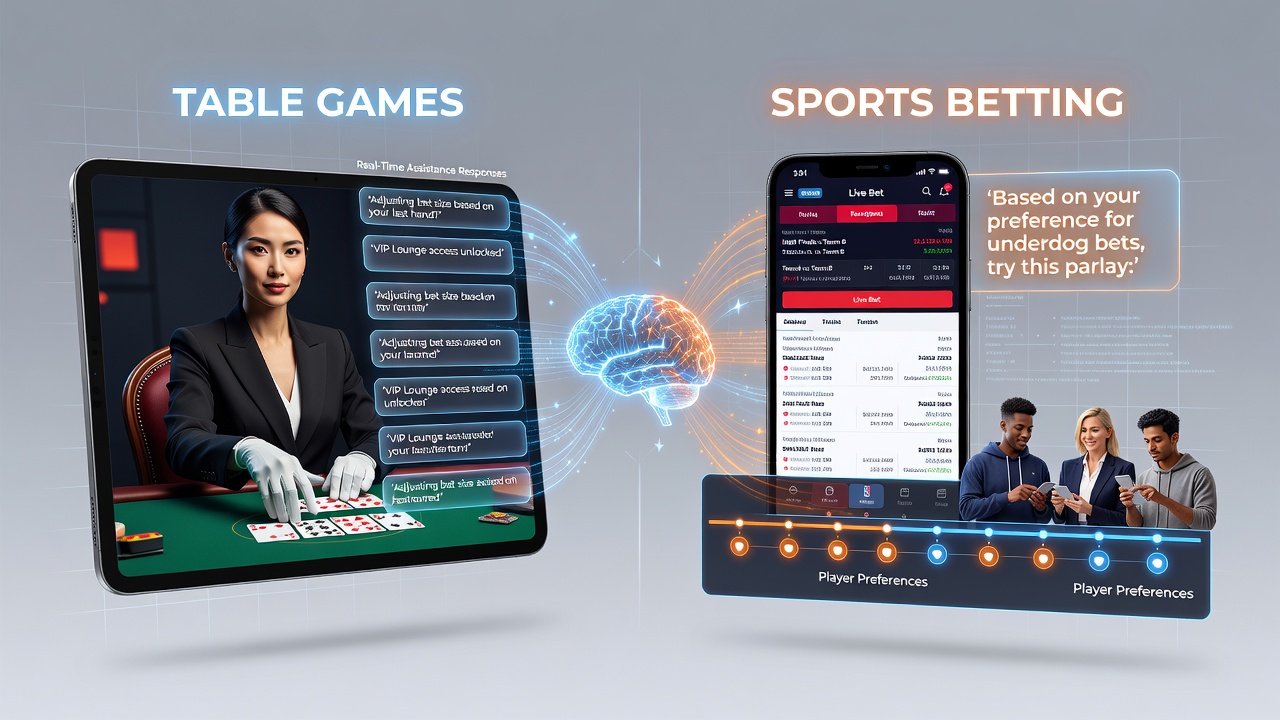
Table game enthusiasts typically engage through extended sessions that involve strategy adjustments and dealer interactions, whereas sports bettors frequently monitor multiple live events with rapid decision points, and these behavioral distinctions influence how support queries arise within VIP interfaces. Observers note that table game participants tend to request clarifications on rules or payout structures during active play, while sports enthusiasts more often seek updates on odds fluctuations or event statistics, allowing systems to route assistance accordingly without disrupting flow.
Mechanics of Real-Time Assistance Integration
Real-time assistance in these apps incorporates chat functions, predictive prompts, and personalized notifications that respond to user activity logs, and studies indicate these elements create feedback loops that reinforce preferences for one category over the other. For instance, a player switching between blackjack tables and football lines might receive tailored prompts based on historical selections, which in turn shapes how VIP tiers allocate bonus credits or exclusive access features. Data compiled through 2026 shows increased synchronization when assistance algorithms account for session duration differences, since table games often extend longer than the burst-style interactions common in sports markets.
Comparative Dynamics in VIP Reward Structures
VIP progression tracks cumulative activity across both verticals, yet synergies emerge when assistance responses prioritize one preference set to accelerate tier advancement for specific user segments. Those monitoring app ecosystems report that table game focused users receive more frequent strategy-related nudges that sustain longer engagement, while sports betting participants encounter event-timed alerts that capitalize on momentum from ongoing matches. This differentiation helps maintain retention rates, according to figures released by the Ontario Lottery and Gaming Corporation, which documented regional variations in how assistance timing correlates with category loyalty through mid-2026.
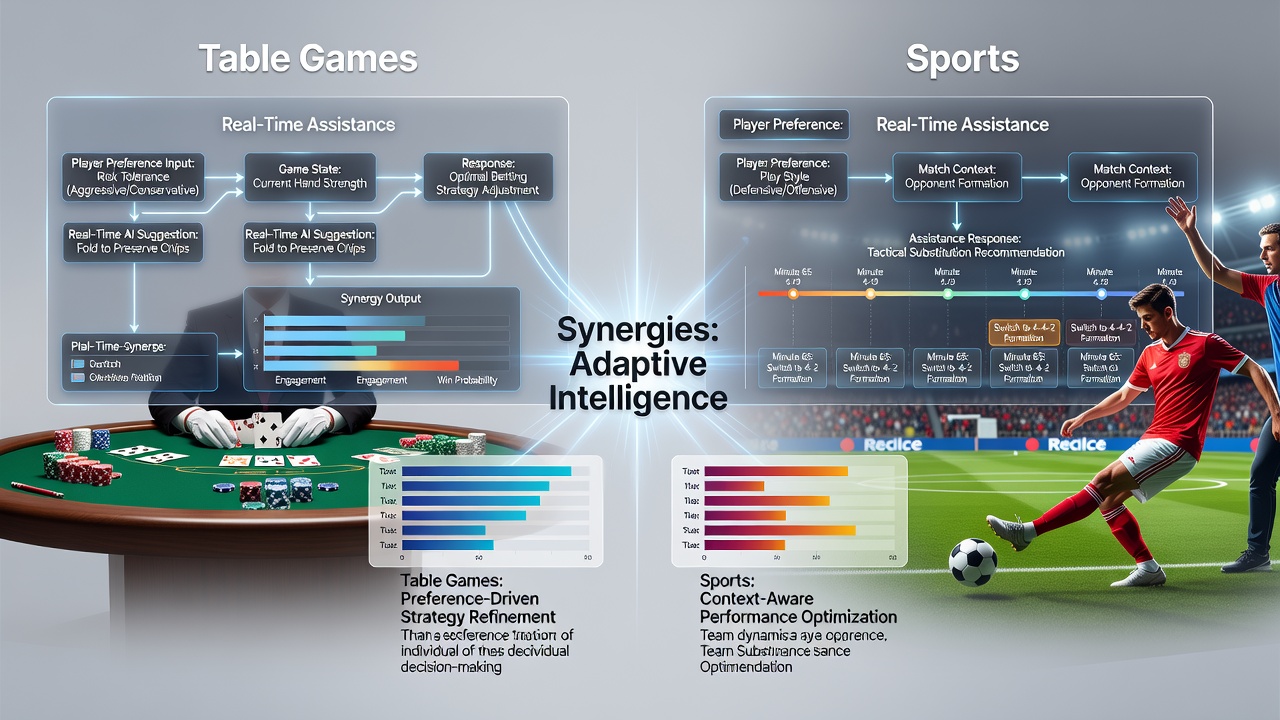
Additional patterns surface when systems cross-reference assistance history with deposit behaviors and game selection sequences, revealing that hybrid users who alternate categories benefit from unified support threads that bridge the two experiences. Industry reports from the American Gaming Association highlight how such integrations contribute to elevated lifetime values among VIP members by reducing friction points during transitions between table and sports modules.
October 2026 Developments and Platform Adaptations
By October 2026, several major app providers had refined their assistance protocols to incorporate seasonal event calendars that overlap with table game promotions, creating new overlap points for users who maintain dual preferences. These updates allow real-time agents to reference both live sports data feeds and historical table performance metrics within a single interaction, which streamlines support for high-tier accounts. Experts tracking these changes observe that platforms using segmented data models achieve higher response accuracy rates when addressing queries from table game specialists versus those centered on sports outcomes, since each group generates distinct query volumes and complexity levels.
Future Trajectory of Integrated Systems
Continued evolution in these synergies depends on how accurately assistance tools parse preference signals across expanding game libraries, and October 2026 metrics suggest ongoing refinement in machine learning models that predict when a user might shift categories mid-session. Such capabilities enable VIP systems to deliver preemptive guidance that aligns rewards more closely with demonstrated interests, whether those lean toward strategic table formats or probabilistic sports markets. Regulatory filings from multiple jurisdictions further confirm that platforms investing in these tailored assistance layers report steadier user retention across both verticals through the latter part of the year.
Conclusion
The interplay between real-time assistance and category-specific preferences continues to shape app-based VIP environments, with measurable impacts on how users navigate table games alongside sports betting options. As platforms accumulate more granular interaction data into late 2026, these synergies are expected to yield increasingly precise support mechanisms that respect the operational rhythms unique to each wagering style.